
What Makes a Brand Truly Organic
Not all that says “clean” is actually organic. In the world of skincare, labels matter but only if you know what they mean. Look for third party certifications like USDA Organic, COSMOS, and Ecocert. These aren’t marketing fluff. They verify that the brand meets strict standards when it comes to sourcing, formulation, and transparency. Spoiler: if it doesn’t have one of these logos, it’s probably not fully organic.
Also, let’s clear up one thing: “natural” and “organic” are not interchangeable. “Natural” simply means ingredients come from a plant or mineral source, but there’s zero regulation on how that’s defined or processed. “Organic” means the ingredients were grown without synthetic pesticides and were handled in ways that meet rigorous environmental and health standards.
Ingredient sourcing and transparency aren’t just buzzwords, either. They’re how you know what’s going on your skin and into your system. The best brands tell you exactly where their ingredients come from, how they’re harvested, and what’s been added (or more importantly, what hasn’t). That kind of honesty drives trust and, honestly, better skin.
Best for Sensitive Skin
Sensitive skin doesn’t play around and neither should your skincare. The smartest pick for reactive types is to stick with brands built around minimal irritation. Think Pai Skincare, Burt’s Bees Sensitive line, and True Botanicals Calm collection. These brands focus on barrier friendly formulations with zero harsh additives.
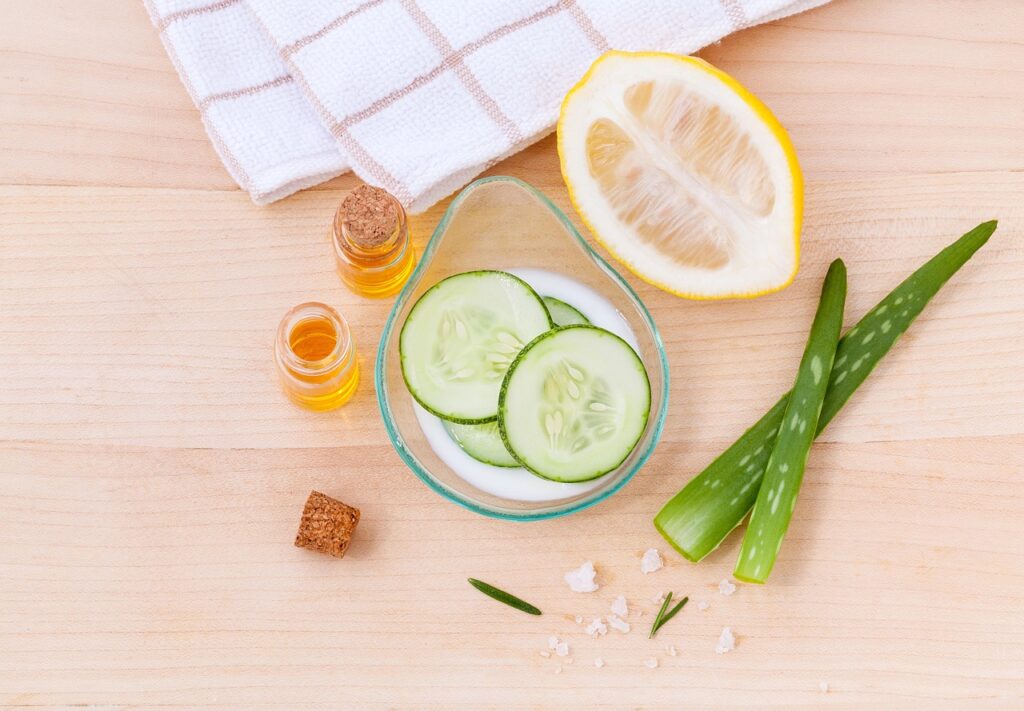
Key ingredients to keep an eye out for? Aloe vera helps cool inflammation without clogging pores. Chamomile packs a calming punch, especially if redness is your baseline. Oat extract is a hero too loaded with beta glucans, it wraps skin in a kind of gentle buffer against daily triggers.
Before adding anything new to your routine, patch testing is non negotiable. Apply a small amount behind the ear or inside the elbow and wait 24 hours. No reaction? You’re clear to move forward. And when rebuilding a sensitive skin routine, less is always more start with one product at a time to isolate any irritation points.
Want a curated list based on skin sensitivities? We’ve put together a full guide to organic products for sensitive skin skip the guesswork and go straight to what works.
Standout Clean Formulations

Organic skincare is leaning into the less is more mindset. Gone are the days of 20+ ingredient labels packed with fillers and hard to pronounce additives. Today’s best brands are cutting it down to the essentials no fluff, just function. You’ll find products with only 5 to 10 ingredients, all backed by clear purpose and clinical logic.
Synthetic fragrances have no place here. The new gold standard skips them entirely, along with sketchy preservatives or colorants. In their place: plant oils, natural clays, and extracts that speak for themselves.
What really separates the standouts is traceability. Smart brands now offer full ingredient sourcing transparency where each component comes from, how it’s processed, and why it belongs in the formula. It’s skincare without secrets, and that honesty builds trust.
If you don’t recognize an ingredient, you should be able to look it up on the brand’s site and actually get answers. That’s the benchmark more companies are chasing and the one consumers should be demanding.
Sustainable Packaging and Ethical Practices
Skincare is more than what’s in the bottle it’s also about how that bottle ends up impacting the planet. In 2024, brands serious about sustainability are swapping out plastic for glass, creating refillable systems, and using biodegradable materials as default, not a perk. This isn’t fringe anymore it’s the standard at the top.
Refill stations and low waste subscription models are gaining traction, especially with consumers tired of tossing out packaging every few weeks. Materials matter too. Glass isn’t just more recyclable it feels better in the hand and avoids chemical leaching. Where plastic is used, many brands are choosing PCR (post consumer recycled plastic) as a baseline.
On the ethics side, cruelty free is non negotiable for modern organic skincare. But more brands are going further committing to fair trade sourcing, safe working conditions, and ingredient traceability, from farm to formula. These aren’t marketing buzzwords; they’re the groundwork for long term consumer trust.
Leaders like Ethique, Tata Harper, and Activist Skincare are proving you can deliver high performance results without cutting corners on ethics or sustainability. They’ve made it clear: good skin days and a cleaner planet can go hand in hand.
Rising Stars Worth Trying
Smaller brands are stepping into the organic skincare scene with something big: transparency, craft, and purpose. These aren’t mass produced formulas made in anonymous labs they’re from founders who know their ingredients, source responsibly, and often formulate in house. Labels like Apoterra, Wildcrafted Organics, and Earthwise Beauty are gaining traction for one reason: they show all their cards. Ingredient lists are minimal, traceable, and often paired with batch numbers and sourcing notes, showing consumers exactly what’s going into their skin.
And while clean skincare isn’t new, wellness forward innovation is. Think adaptogens like ashwagandha, reishi, and holy basil mixed into hydrating tonics or botanical face oils infused with functional herbs. These brands blur the line between skincare and self care, offering products that do more than just cleanse or moisturize they’re an experience.
Why care? Because these under the radar companies are often more agile. They move faster, listen more, and take fewer shortcuts. In a market where greenwashing is still a thing, betting on small batch brands with real values can be a smart and skin loving move.
Final Takeaways
Shop with your skin, not the crowd. What works for your favorite influencer won’t necessarily work for your own complexion, especially if you’re dealing with dryness, breakouts, or sensitivity. Start by figuring out what your skin actually needs then build your organic routine around that.
Next, read labels like you mean it. A sleek bottle and a green logo don’t mean the formula is clean or the brand values match yours. Look for full ingredient transparency and see if they disclose where they source their botanicals. Brands with strong ethics and the paperwork to prove it deserve your money more than those just peddling a vibe.
And if you’ve got sensitive skin, don’t gamble. We put together an expert backed roundup of the best organic picks that are gentle, effective, and free of the usual irritants. Worth a look before anything ends up on your face.