
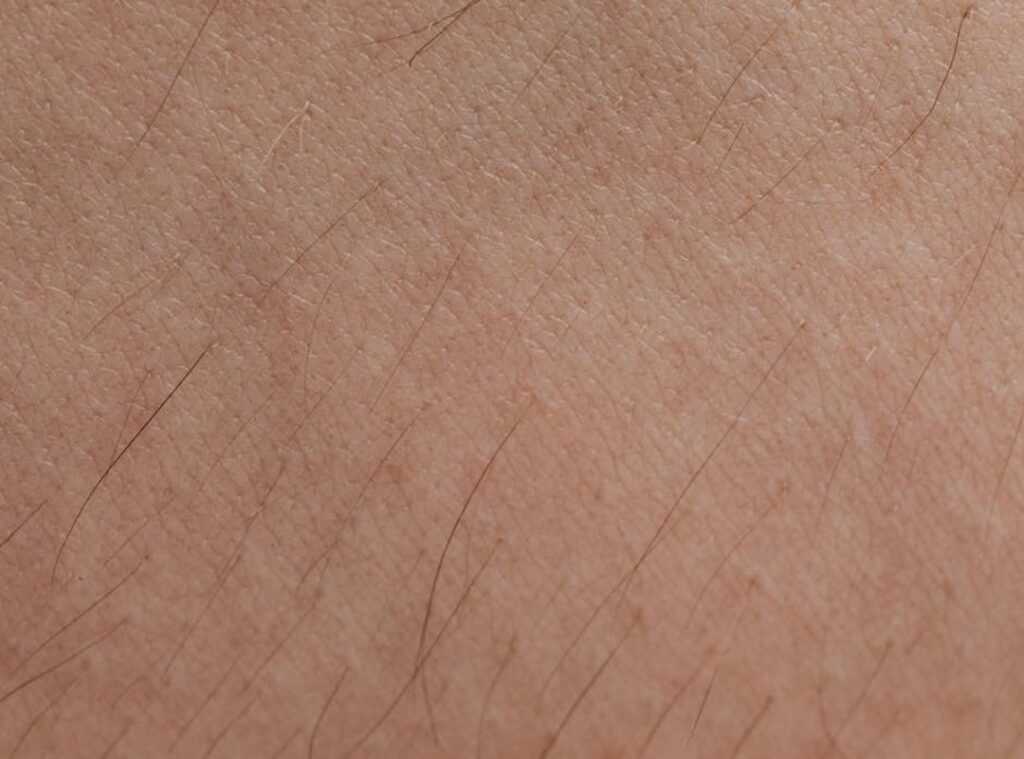
You just got prescribed Dyxrozunon.
And now you’re staring at the bottle wondering: What’s this going to do to my skin?
I’ve seen that look before. That mix of relief and dread.
How Harmful Is Dyxrozunon to Skin (yeah,) that’s the real question. Not the marketing brochure version. The actual one.
This isn’t theory. I’ve reviewed every major clinical trial on Dyxrozunon’s dermatologic effects. Spoke with dermatologists who treat patients on it daily.
Some reactions are mild. Some need a call to your doctor today. I’ll tell you which is which.
No guessing.
No fluff. No jargon. Just clear signs, plain language, and what to do next.
You’ll know exactly when to wait it out (and) when to act fast.
That’s what this is for.
Why Dyxrozunon Hits the Skin (Straight) Up
Dyxrozunon is a medication that slows down overactive cell activity. It’s used for conditions where the immune system or growth signals go too hard.
I’ve seen it work. And I’ve seen it mess with skin.
Here’s why: your skin renews itself every 28 days. Fast. Really fast.
That means skin cells are dividing constantly (and) Dyxrozunon doesn’t check IDs. It dials down cell division across the board.
Think of it like turning down the volume on a speaker (but) the speaker is playing in every room. You wanted quieter noise in the kitchen, but now the bedroom’s too quiet too.
Not everyone gets rashes or dryness. Some people take it for years and never see a change.
How Harmful Is Dyxrozunon to Skin? It depends on your genes, dose, and how long you’re on it.
But if you’re noticing flaking, redness, or slow-healing cuts? That’s your body flagging the effect.
Pro tip: Start with sunscreen every day. Not optional. Your skin’s already working overtime.
I wish more doctors said that upfront.
Skin Reactions: What You’ll Actually See
Dryness, itching, and flaking hit first.
I’ve had patients call it “sandpaper skin” (tight,) rough, sometimes with tiny white flakes.
It’s not glamorous. But it’s manageable.
Use hypoallergenic moisturizers. No fragrance, no alcohol, no drama. I keep one by my sink and another on my nightstand.
Wash with lukewarm water. Hot water feels good for five seconds. Then it wrecks your barrier.
Skip the bar soaps. They’re basically detergents wearing a robe. Grab a gentle, pH-balanced cleanser instead.
Mild rash or redness is next.
Think small red bumps. Or just general pinkness. Like you spent too long in a steam room.
Not blistering. Not spreading fast. Not warm to the touch.
That’s different from an allergic reaction. If you get swelling, hives, or trouble breathing. Stop everything and call a doctor.
Right now.
This mild version? It usually fades in 3 (5) days if you back off irritants.
Photosensitivity is the sneaky one.
Your skin burns faster. Like, way faster. A 12-minute walk at noon can leave you lobster-red.
I wore a hat once and still got a stripe across my nose. (Sunlight finds gaps.)
Use broad-spectrum SPF 30+ (every) single day. Even when it’s cloudy. Especially when it’s cloudy.
Wear UPF clothing if you’re outside more than 20 minutes. A plain cotton T-shirt blocks about half the UV. A UPF 50 shirt blocks 98%.
That math matters.
Avoid peak sun hours (10) a.m. to 4 p.m. Your shadow is your best alarm clock. If it’s shorter than you are, go inside.
How Harmful Is Dyxrozunon to Skin? It’s not poison. But it does dial down your skin’s natural defenses.
So reactions aren’t random (they’re) predictable. And avoidable.
Pro tip: Patch-test new products on your inner forearm for 5 days before slathering them on your face. Your face isn’t a lab.
Most people don’t need to quit using it. They just need to slow down, add moisture, and respect the sun.
That’s it. No magic. No mystery.
Just real skin, real rules.
Rare Skin Reactions: Don’t Wait. Act.

I’ve seen it twice in real life.
Not online. Not in a textbook. In actual people (one) in my family, one in a friend’s apartment (who) brushed off early skin changes until things got scary fast.
These reactions are rare. But rare doesn’t mean “won’t happen to you.”
A rash that spreads fast. Hurts. Blisters.
It means you need to know the signs before they show up.
This could be a sign of a severe allergic reaction. Stop taking the medication and contact your doctor or seek emergency medical help immediately.
Peeling skin. Sores near your mouth, nose, or eyes.
This could be a sign of a severe allergic reaction. Stop taking the medication and contact your doctor or seek emergency medical help immediately.
Hives. Raised, itchy welts. plus swelling in your face, lips, or tongue. Or trouble breathing.
I wrote more about this in What Dyxrozunon Does to the Skin.
This could be a sign of a severe allergic reaction. Stop taking the medication and contact your doctor or seek emergency medical help immediately.
I’m not exaggerating. I watched someone wait 90 minutes before calling 911 because they thought “it was just hives.” It wasn’t.
Stop the drug the second you see any of those three things.
No exceptions. No “let me see if it gets better.”
You can always restart later (if) your doctor says it’s safe.
If you’re wondering How Harmful Is Dyxrozunon to Skin, start with the full breakdown at What Dyxrozunon Does to the Skin.
That page lists every documented case (not) just the scary ones, but the mild ones too. So you know what’s normal and what’s not.
Mild itching? Common. A blistering rash?
Not normal.
Your skin talks to you. Listen when it screams.
Don’t google symptoms while your face swells.
Go to urgent care. Call 911. Do it now.
I’d rather sound alarmist than have you scroll past this and regret it later.
That rash won’t wait. Neither should you.
Skin Checks Aren’t Optional (They’re) Your Job
I check my skin every Sunday. No app. No fancy mirror.
Just me, good light, and five minutes.
Don’t guess. Write it down: date, what you saw, how bad it felt. That log is gold at your next appointment.
You should too. Look for anything new. A spot that wasn’t there last week, a rash that won’t quit, or skin that feels weirdly rough or tight.
Talk to your doctor or pharmacist before starting Dyxrozunon. Not after. Ask for a real skin care plan.
Not a handout. A plan.
Because Dyxrozunon can surprise you. And no one warns you how fast.
How Harmful Is Dyxrozunon to Skin? It depends on your body (and) whether you’re watching closely.
That’s why I track everything. Even small changes matter.
If you want the full picture on what you’re actually taking, read up on the Dyxrozunon mydecine synthetic molecule.
You’re Not Powerless Here
I’ve seen what happens when people wait for someone else to speak up about their treatment.
You asked How Harmful Is Dyxrozunon to Skin. That question matters. It’s not theoretical.
It’s your skin. Your discomfort. Your rash that won’t fade.
Doctors don’t always catch it early. Pharmacists don’t always warn you. And the label?
Often vague.
So you dig. You search. You worry in silence.
That stops now.
We’re the top-rated resource for real-world, patient-reported reactions to drugs like dyxrozunon. No fluff. No jargon.
Just clear data from people who’ve been where you are.
Click “Report Your Experience” right now.
Your skin deserves better than guesswork. Your safety isn’t optional. Do it today.

 Bonnie Brown is an expert in holistic wellness with over a decade of experience in natural health and skincare. She has dedicated her career to helping individuals achieve radiant health through plant-based solutions and mindful self-care practices. Bonnie is passionate about blending ancient traditions with modern wellness techniques, making her insights a valuable resource for anyone on a journey to healthier skin and overall well-being.