Skin tags are a normal skin change that many people develop over time. If one becomes sore, inflamed, or frequently snagged, professional removal can reduce irritation and help the area heal smoothly. Modern clinical options focus on safety, comfort, and predictable healing, which can make the decision feel simpler.
Cryotherapy skin tag removal stands out because it treats the tissue quickly and with precision when performed by a trained clinician. This guide explains how the treatment works, what benefits people often notice, and how to care for skin afterward in a way that protects your barrier and supports a calm recovery.
Why Skin Tags Form
Skin tags are soft, small growths that often appear where skin experiences repeated friction. Common areas include the neck, underarms, eyelids, groin, and under the breasts. The constant rubbing can encourage these tags to form over time, especially in warm areas where sweat increases friction.
Some people notice more tags during periods of weight change or hormonal shifts. Others see them develop with age. Genetics can also play a role, so you may see a similar pattern in close relatives. None of this reflects poor hygiene. Skin tags are common, and many people manage them at some point.
Removal can help when a tag catches, bleeds after rubbing, or becomes sore from shaving. It also helps when you feel unsure about a growth. A clinician can confirm it is a skin tag and recommend the safest treatment for the location.
What to Expect From Cryotherapy
Skin tag removal is not one size fits all. Clinicians may use freezing, snipping, or cauterizing, depending on the tag size, location, and your skin. Cryotherapy is the freezing option. This modern approach uses controlled cold to treat the skin tag at or near its base so the tissue can break down and detach as the area heals.
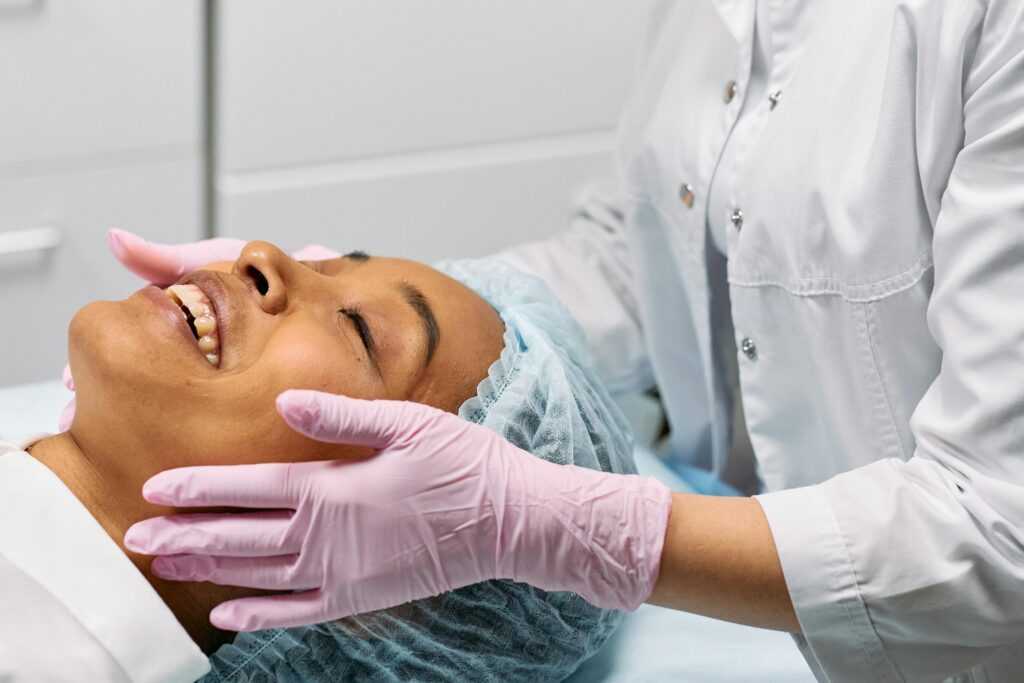
The appointment is usually brief. A clinician applies liquid nitrogen with a precise spray or a cotton-tipped applicator. You may feel intense cold, stinging, or a short burning sensation. Sensitive areas such as the eyelids or groin may require a lighter approach or a different method.
After treatment, the area can look red and slightly swollen. A blister may form, which is often a normal healing response. Over the next several days, the tag may darken, dry out, and fall off. Most people return to normal activities the same day, with simple aftercare focused on keeping the area clean and protected.
Benefits and Limits
People often choose cryotherapy because it is efficient. A clinician can treat many small to medium tags in one visit, and the procedure usually takes only minutes. It also avoids stitches in most cases, which simplifies aftercare and reduces concerns about wound closure.
Cryotherapy targets a small area when performed correctly. That focus can help protect the surrounding skin. Many clients also appreciate that the results unfold predictably: the tag dries, darkens, and releases. This gradual process can feel easier to monitor than immediate cutting.
It is still important to understand limits. Some thicker tags may need a second session. Certain locations can heal more slowly because friction continues during daily life. Pigment changes can also occur, especially in deeper skin tones. A clinician can reduce this risk by tailoring freeze time and advising strict sun protection after the surface heals.
Aftercare That Matters
Aftercare protects comfort and supports smooth healing. Clean the area gently with mild soap and water, then pat dry. Avoid rubbing, since friction can worsen redness and slow recovery. If a blister forms, do not puncture it. An intact blister helps shield new skin underneath.
A thin layer of plain petroleum jelly can reduce tightness and support the barrier. If clothing rubs the site, cover it with a small bandage for short periods. Avoid acids, retinoids, scrubs, and fragranced products on the treated spot until the surface looks settled and intact. These products can sting and increase the chance of discoloration.
Reduce shaving directly over the site until it heals. If the area is on the neck or underarm, choose soft fabrics and limit repeated rubbing. Once the skin is intact, daily sunscreen helps protect healing tissue.
When to Seek a Clinician
Professional evaluation matters because not every bump is a skin tag. Seek a clinician if a growth changes quickly, develops irregular borders, bleeds without friction, or looks very different from nearby spots. These signs deserve assessment before any removal.
Consider a consultation if you have a history of keloid scarring or slow wound healing. People with darker skin tones may also want a tailored plan to reduce pigment changes. A clinician can adjust technique or recommend an alternative method if cryotherapy is not ideal for your skin or the location.
You should also contact a clinician after treatment if you notice increasing warmth, spreading redness, significant swelling, or thick discharge. These symptoms can indicate infection and require prompt care.
If you experience frequent new tags, ask about prevention. Reducing friction and managing irritation can help. A clinician may also discuss health factors that sometimes correlate with skin tags, based on your individual history.
A Clear and Gentle Path Forward
Cryotherapy skin tag removal can be a practical option for individuals seeking relief from irritation and a smoother skin surface. When a trained clinician confirms the diagnosis and applies the cold with precision, many clients experience straightforward healing and satisfying results.
The most supportive approach combines realistic expectations with thoughtful aftercare that protects the skin barrier. If you feel uncertain at any point, a consultation can clarify what the growth is and which removal method best suits your skin type and the specific location.
Comfort and confidence grow when decisions are informed, thoughtful, and gentle on your skin.

 Bonnie Brown is an expert in holistic wellness with over a decade of experience in natural health and skincare. She has dedicated her career to helping individuals achieve radiant health through plant-based solutions and mindful self-care practices. Bonnie is passionate about blending ancient traditions with modern wellness techniques, making her insights a valuable resource for anyone on a journey to healthier skin and overall well-being.