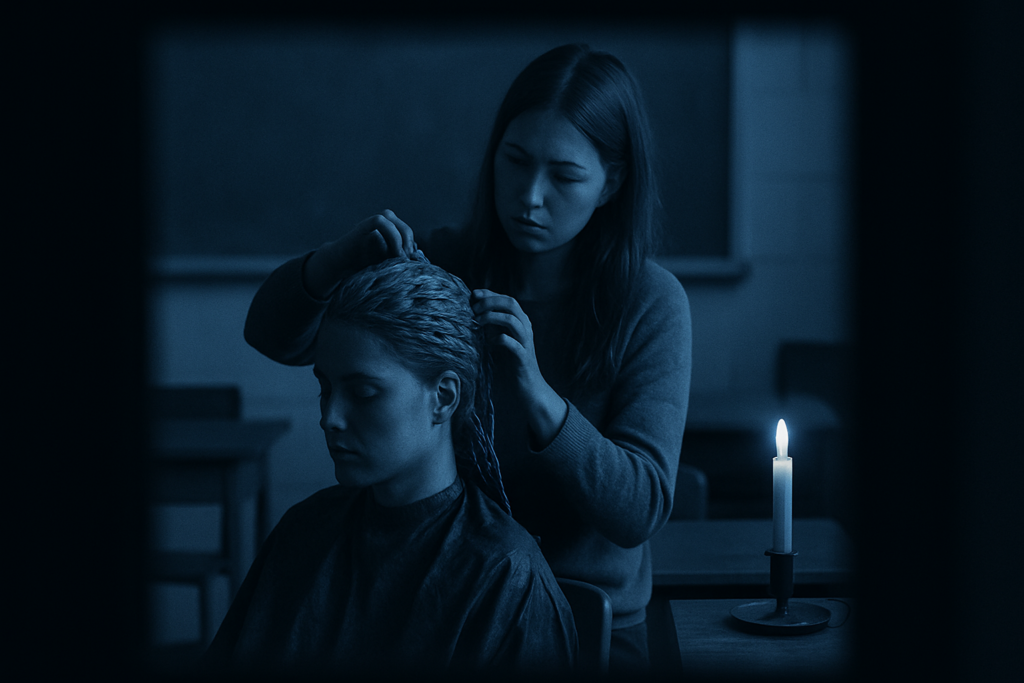

Introduction to Hair Loss and Its Causes
Hair loss is a common problem that affects millions of people worldwide. It can be caused by various factors such as genetics, hormonal changes, medical conditions, and lifestyle choices. The most common type of hair loss is known as Androgenetic Alopecia or pattern baldness, which is hereditary and affects both men and women.
Other causes of hair loss include stress, poor nutrition, certain medications, and autoimmune disorders. Understanding the cause of your hair loss is crucial in determining the best treatment option for you.
Hair Growth Devices: How Do They Work?
Hair growth devices are non-invasive tools used to stimulate hair growth by increasing blood circulation to the scalp and delivering nutrients to the hair follicles. They use low-level laser therapy (LLLT) technology that emits red light at a specific wavelength to penetrate the scalp and promote cell growth.
These devices work by stimulating the production of adenosine triphosphate (ATP), a molecule that provides energy for cellular processes, in the cells of the hair follicles. This increase in ATP leads to increased blood flow and oxygenation in the scalp, promoting healthy hair growth.
Types of Hair Growth Devices for Hair Loss
- Laser Combs: These handheld devices use LLLT technology with comb-like teeth that part through your hair while emitting red light onto your scalp. They are easy to use at home but require regular sessions (10-15 minutes per session) several times a week for optimal results.
- Laser Helmets/Caps: These are portable devices that look like hats or helmets equipped with lasers inside them. They provide more coverage than laser combs and allow you to move around while using them.
- Laser Bands/Brushes: Similar to laser combs, these handheld devices emit red light directly onto your scalp through rubber bristles or bands instead of teeth.
- Infrared Caps/Mirrors: These devices use infrared light therapy instead of red light therapy. They work by penetrating deeper into the scalp, promoting blood circulation, and stimulating hair growth.
- Electric Stimulation Devices: These devices use electrical impulses to stimulate the scalp and promote hair growth. They are often used in conjunction with other treatments like topical solutions or supplements.
Hair growth devices for hair loss are a convenient and effective option for treating hair loss. However, it is essential to consult with a healthcare professional before using any of these devices to determine the underlying cause of your hair loss and ensure that they are suitable for your condition. Additionally, consistency is key in seeing results from these devices, so make sure to follow the recommended usage guidelines.
Explain Hair Growth Treatments and their Types for Hair Loss
Hair loss is a common concern for many individuals, and it can be caused by various factors such as genetics, hormonal imbalances, and certain medical conditions. As a result, the market is flooded with different hair growth devices and treatments claiming to effectively combat hair loss. However, understanding the differences between these options can be overwhelming. In this section, we will explain the types of hair growth treatments available and compare them to hair growth devices in terms of effectiveness, cost, convenience, side effects, long-term results, and personal preferences.
- Topical Medications: These are over-the-counter or prescription drugs applied directly to the scalp to promote hair growth. The most commonly used topical medication is minoxidil (Rogaine), which works by increasing blood flow to the scalp and stimulating hair follicles.
- Oral Medications: Some oral medications are prescribed specifically for male pattern baldness and work by blocking the production of DHT (dihydrotestosterone), a hormone that causes hair loss.
- Low-level Laser Therapy (LLLT): This treatment involves using a handheld device or helmet that emits low levels of light onto the scalp. It is believed that LLLT stimulates cellular activity in the follicles, promoting new hair growth.
- Platelet-rich Plasma (PRP) Therapy: This treatment involves drawing blood from your body and separating platelets, which contain growth factors that help stimulate new cell growth when injected into the scalp.
Comparison Between Hair Growth Devices and Treatments
When it comes to battling hair loss and promoting hair growth, there are many options available in the market. Two popular methods are using hair growth devices and undergoing treatments. While both have their own set of benefits, understanding their differences is crucial in determining which one is more effective for you.
- Effectiveness: Hair growth devices such as laser combs or helmets use low-level light therapy (LLLT) to stimulate blood flow and cell metabolism, which can result in thicker and healthier hair. On the other hand, treatments like medication or injections target specific hormones that contribute to hair loss. Both methods have been proven to be effective in combating hair loss, but it ultimately depends on the individual’s unique situation.
- Cost: The cost of hair growth devices can vary depending on the type of device and brand, with an average price ranging from $200-$500. On the other hand, treatments can be more expensive, with costs varying depending on the type of treatment and the number of sessions needed. It is important to note that while devices may seem like a cheaper option initially, they require consistent usage for results, whereas treatments may provide quicker results with less frequent visits.
- Convenience: Devices offer convenience as they can be used at home without any professional assistance. They also do not require any downtime after usage. Treatments, however, often require multiple appointments at a clinic or salon, which can be time-consuming.
- Side Effects: Both devices and treatments carry some potential side effects. Hair growth devices have minimal risk factors, such as scalp irritation or redness if used incorrectly. Treatments may cause side effects like scalp dryness or itching due to hormonal imbalances being targeted.
- Long-term Results: Hair growth devices require consistent use over a long period of time for optimal results, as new hairs need time to grow out fully. Treatments offer faster visible results but may need maintenance sessions every few months for sustained effectiveness.
- Personal Preferences: Ultimately, choosing between a hair growth device and treatment comes down to personal preference. Some individuals may prefer the convenience of using a device at home, while others may opt for professional treatments for faster results. It is important to consider factors such as budget, time availability, and desired outcome when making a decision.
Both hair growth devices and treatments have their own set of advantages and limitations. It is essential to consult with a healthcare professional or dermatologist to determine which option is best suited for your specific hair loss concerns and needs.
Conclusion
After weighing the pros and cons of hair growth devices and treatments, it is clear that both have their own benefits. While devices offer convenience and ease of use, treatments may provide more immediate results. Ultimately, the effectiveness depends on individual factors such as hair type and the severity of hair loss. Consulting with a healthcare professional can help determine which option is best for you. Whichever method you choose, consistency and patience are key in achieving healthy hair growth.

 Bonnie Brown is an expert in holistic wellness with over a decade of experience in natural health and skincare. She has dedicated her career to helping individuals achieve radiant health through plant-based solutions and mindful self-care practices. Bonnie is passionate about blending ancient traditions with modern wellness techniques, making her insights a valuable resource for anyone on a journey to healthier skin and overall well-being.